 Infozion Technologies LLPInfozion Technologies LLP




EPR Tracking Software: Automate EPR Reporting and Compliance Using ERP
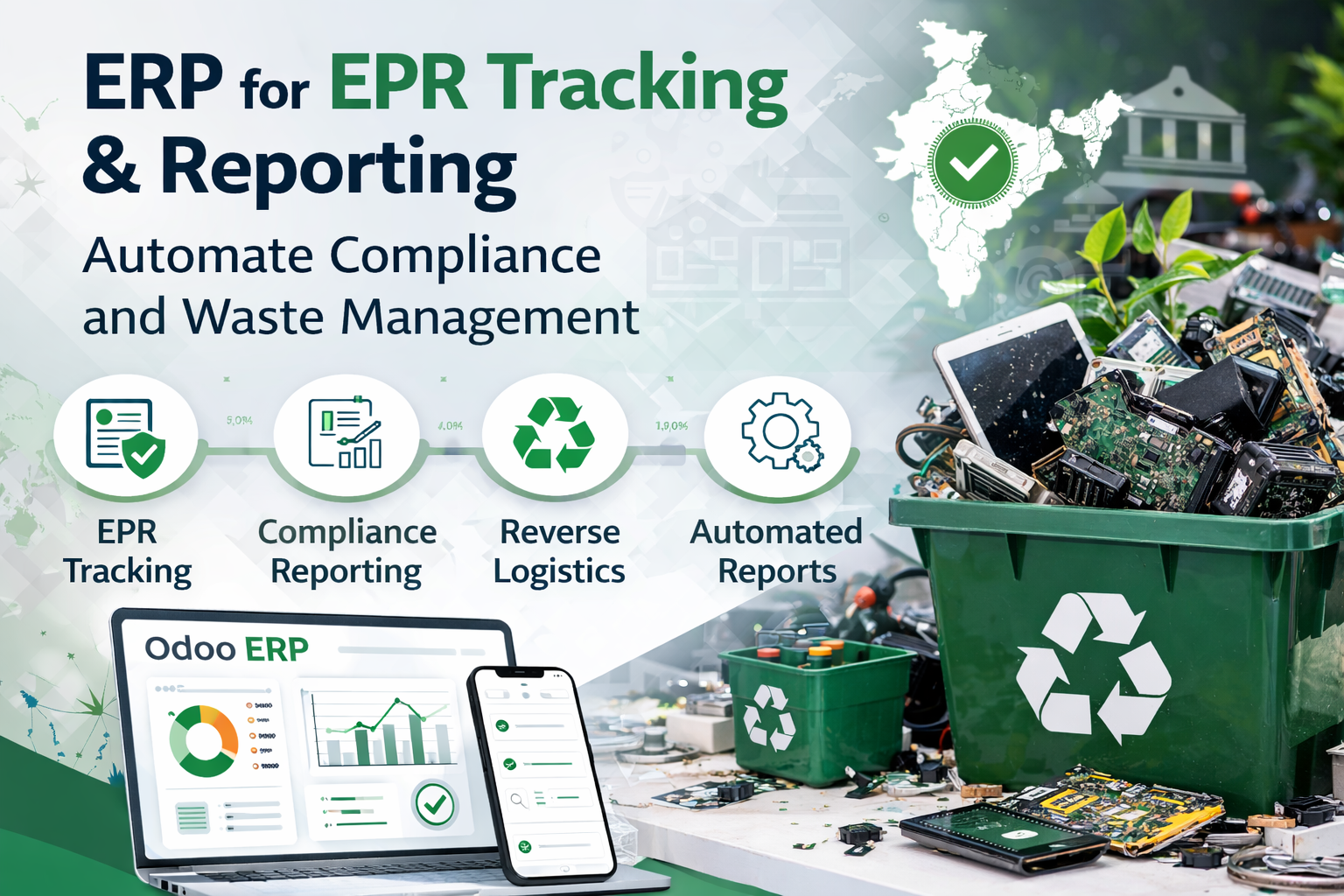
EPR Tracking Software: Automate EPR Reporting and Compliance Using ERP
Introduction
EPR tracking software helps businesses manage Extended Producer Responsibility compliance in a simple and efficient way. Companies dealing with electronic products must track waste collection, recycling, and reporting under EPR rules. However, manual processes are slow and error-prone. ERP systems solve this problem by automating tracking, reporting, and compliance tasks in one platform.
Businesses can use ERP solutions like
https://www.infozion.in/odoo-erp-for-e-waste-management/
to manage waste operations, improve visibility, and ensure accurate reporting.
What is EPR Tracking Software?
EPR tracking software is a digital solution that helps businesses monitor waste generation, collection, and recycling activities. It ensures that companies meet government regulations and maintain proper records.
EPR compliance requires companies to take responsibility for the entire lifecycle of their products. This includes collection, recycling, and safe disposal.
To understand global EPR practices, read here:
https://www.sensoneo.com/waste-library/evolution-epr-compliance/
Why Businesses Need EPR Tracking Software
Businesses face many challenges while managing EPR compliance manually. Data tracking becomes difficult. Reporting takes time. Errors are common.
EPR tracking software solves these problems by providing automation and real-time data.
Companies can track waste volumes, monitor recycling activities, and generate reports instantly. This improves efficiency and reduces compliance risks.
How ERP Helps in EPR Tracking Software
ERP systems play a major role in improving EPR management system capabilities. They connect different business processes into one system.
With ERP, businesses can:
-
Track waste collection
-
Monitor recycling processes
-
Manage inventory
-
Generate compliance reports
ERP solutions like
https://www.infozion.in/e-waste-management-rules-2022-india-erp/
help businesses align operations with regulatory requirements.
Automated EPR Reporting
Reporting is a key part of EPR compliance. Businesses must submit accurate reports to authorities.
EPR management system automates this process. It collects data and generates reports instantly.
This reduces manual work. It also improves accuracy and saves time.
Companies using
https://www.infozion.in/odoo-erp-for-e-waste-management/
can automate reporting and avoid compliance errors.
Waste Tracking and Traceability
Tracking waste is important for compliance. Businesses must know where waste comes from and where it goes.
ERP for EPR compliance provides full visibility. It tracks waste from collection to recycling.
This improves transparency. It also helps companies meet regulatory standards.
Reverse Logistics Management
Reverse logistics is a key part of EPR. Businesses must collect waste from different locations.
ERP systems help manage pickup schedules and routes. They also track transportation activities.
With
https://www.infozion.in/e-waste-management-rules-2022-india-erp/
Companies can improve logistics and reduce costs.
Benefits of EPR Tracking Software
EPR tracking software offers many benefits.
First, it improves efficiency. Businesses can automate routine tasks.
Second, it increases accuracy. Data is stored in one system.
Third, it ensures compliance. Reports are generated on time.
Finally, it improves decision-making. Managers get real-time insights.
Why ERP is the Future of EPR Compliance
Regulations are becoming stricter. Businesses must adopt digital solutions.
Manual systems are no longer enough. ERP systems provide better control and visibility.
With EPR tracking software, companies can automate processes, reduce errors, and improve performance.
Businesses can explore ERP solutions here:
https://www.infozion.in/odoo-erp-for-e-waste-management/
Conclusion
EPR tracking software is essential for businesses managing electronic waste. It helps automate tracking, reporting, and compliance processes.
ERP systems make EPR management simple and efficient. They improve accuracy, reduce costs, and ensure compliance.
Companies that adopt ERP solutions will be better prepared for future regulations and sustainable growth.
Introduction
E-waste management has become a global priority due to the rapid increase in electronic device consumption. Businesses and individuals constantly upgrade smartphones, laptops, servers, printers, and industrial equipment. As a result, discarded electronic devices are growing at an alarming rate. Without structured e-waste management systems, electronic waste can damage the environment and create serious health risks.
Electronic devices contain hazardous materials such as lead, mercury, and cadmium. When dumped improperly, these substances contaminate soil and water. Therefore, responsible electronic waste handling is no longer optional. It is essential for sustainability, compliance, and operational responsibility.
For additional background on electronic waste, you can explore this reference:
What Is E-Waste?
E-waste refers to discarded electrical and electronic equipment that has reached the end of its lifecycle. Devices may become obsolete, damaged, or replaced due to technological upgrades.
Common Types of E-Waste
-
Desktop computers and laptops
-
Mobile phones and tablets
-
Printers and scanners
-
Televisions and monitors
-
Batteries and power supplies
-
Networking devices and servers
-
Industrial electronic equipment
Although these devices appear harmless, they contain complex components that require proper dismantling and recycling.
Why E-Waste Management Is Important
Environmental Protection
Improper disposal leads to pollution. Toxic elements can leak into landfills and contaminate groundwater. Consequently, ecosystems suffer long-term damage.
Public Health Safety
Burning or informal recycling releases harmful fumes. Exposure to toxic materials may cause respiratory and neurological problems. Structured e-waste management protects communities and workers.
Resource Recovery
Electronic waste contains valuable metals such as gold, copper, and aluminum. Through professional recycling, these materials can be recovered and reused. As a result, the need for new mining decreases.
Regulatory Compliance
Many countries have introduced strict electronic waste regulations. Businesses must follow structured disposal procedures to avoid penalties. Therefore, compliance is a major driver of organized e-waste management.
The E-Waste Management Process
A structured electronic waste management system follows multiple stages. Each stage ensures environmental safety and material recovery.
Step 1: Collection
The process begins with collecting discarded devices from households, offices, and industries. Organizations may implement take-back programs or partner with certified recyclers.
Step 2: Transportation
Collected electronic waste is transported to authorized recycling facilities. Proper handling prevents accidental damage or hazardous leaks.
Step 3: Segregation and Sorting
At recycling facilities, waste is sorted into different categories. Plastics, metals, circuit boards, and batteries are separated. This improves recycling efficiency.
Step 4: Dismantling and Recycling
Devices are dismantled to extract reusable components. Advanced recycling techniques recover valuable materials safely.
Step 5: Safe Disposal
Non-recyclable components are disposed of in environmentally approved facilities. This minimizes environmental impact.
Challenges in E-Waste Management
Despite growing awareness, several challenges remain.
Informal Recycling Practices
Unregulated recycling methods often ignore safety standards. These practices increase environmental and health risks.
Lack of Awareness
Many individuals store old devices or dispose of them improperly. As a result, waste volumes increase in landfills.
Data Security Concerns
Corporate electronic waste may contain confidential information. Without secure data destruction, organizations face security risks.
Rapid Technological Change
Frequent upgrades shorten device lifecycles. Consequently, electronic waste volumes continue to rise.
Role of Technology in E-Waste Management
Technology plays a crucial role in improving efficiency and compliance.
Digital Asset Tracking
Businesses can use software systems to monitor electronic assets throughout their lifecycle. This ensures better disposal planning.
ERP-Based Waste Monitoring
Large recycling companies often implement ERP systems to manage inventory, logistics, and compliance reporting. A structured ERP deployment ensures better tracking from collection to recycling. To understand how ERP systems are implemented in structured stages, you can explore this guide:
👉 https://www.infozion.in/erp-implementation-phases/
This approach enhances transparency and operational control.
IoT-Based Monitoring
Smart bins and GPS tracking optimize collection routes. Consequently, fuel costs and operational inefficiencies decrease.
AI-Powered Sorting Systems
Modern recycling plants use artificial intelligence to improve material separation accuracy. Therefore, recovery rates increase significantly.
E-Waste Management for Businesses
Organizations generate large volumes of electronic waste during IT upgrades. Therefore, companies must adopt formal policies.
Asset Lifecycle Management
Track devices from procurement to disposal. This improves accountability and compliance.
Partnering with Certified Recyclers
Always collaborate with authorized recycling partners. Certification ensures safe processing and documentation.
Secure Data Destruction
Before disposal, ensure complete data wiping or physical destruction of storage devices. This protects sensitive information.
Sustainability and ESG Reporting
E-waste management initiatives can be included in sustainability reports. Responsible disposal improves corporate credibility.
Benefits of Proper E-Waste Management
Implementing structured electronic waste handling provides multiple benefits:
-
Reduced environmental risk
-
Stronger regulatory compliance
-
Improved brand reputation
-
Recovery of valuable materials
-
Better operational efficiency
Therefore, organizations that adopt responsible practices gain both environmental and strategic advantages.
Future Trends in E-Waste Management
Digital growth will continue to increase electronic waste volumes. However, sustainability initiatives are also advancing.
Key trends include:
-
Extended Producer Responsibility programs
-
Circular economy adoption
-
Automation in recycling processes
-
Advanced material recovery technologies
-
Digital compliance tracking
As environmental awareness grows, structured e-waste management systems will become standard practice.
Conclusion
E-waste management is essential for environmental sustainability, public health protection, and regulatory compliance. With rising electronic consumption, responsible disposal and recycling are critical.
By implementing structured collection, segregation, recycling, and safe disposal processes, organizations can reduce environmental harm and enhance operational transparency. Moreover, adopting technology-driven waste management solutions strengthens long-term sustainability strategies.
In a rapidly evolving digital world, responsible electronic waste handling is a necessary step toward a cleaner and more sustainable future.
Running an e-waste management business can be rewarding, but it also brings major hurdles. In this article, we’ll explore the Top 5 Challenges E-Waste Companies Face and how ERP software helps solve each one through automation, better tracking, and smarter data management.
E-waste management involves tracking, recycling, compliance, and logistics—all at once. Without the right tools, companies struggle to stay organized and efficient. That’s why many e-waste firms now rely on ERP systems to manage operations more effectively.
Inaccurate Inventory Tracking
In e-waste management, every item counts—from refurbished computers to recyclable metals. When tracking is done manually, mistakes happen easily. You might overcount, undercount, or lose valuable components—and these errors often lead to profit loss and safety risks.
How ERP Fixes It
ERP software brings real-time inventory tracking. Every piece of equipment—from collection to recycling—is logged automatically. You can see exactly what’s in stock, what’s under processing, and what’s ready for dispatch.
ERP dashboards even help predict which materials will increase in demand, allowing smarter planning and reduced waste.
If you’d like to learn how ERP planning works in real business stages, read this complete guide on ERP implementation phases
Delayed Recycling Turnaround
Time is money in the e-waste industry. When materials sit idle in storage, it affects your cash flow and customer satisfaction. Delays happen mainly because of manual sorting, lack of coordination, and unclear scheduling.
How ERP Fixes It
ERP software automates daily workflows. It assigns tasks, monitors progress, and alerts managers when deadlines are missed. You can track which items are waiting for processing and who’s responsible for them—all in real time.
According to industry data, businesses using automation recycle up to 40% faster than those using manual processes
Lack of Logistics Visibility
Pickups, deliveries, and shipments happen every day in e-waste recycling. Without proper visibility, it’s hard to know where vehicles are, how much waste has been collected, or which deliveries are pending.
How ERP Fixes It
Modern ERP systems integrate with logistics tracking tools. You can monitor collection routes, optimize vehicle usage, and track deliveries live. This level of visibility not only improves efficiency but also builds client trust. You’ll always know what’s happening in your business—minute by minute.
Compliance and Documentation Overload
E-waste management involves a lot of paperwork—recycling licenses, compliance reports, and audit trails. Manually managing these documents can lead to stress, errors, or missed deadlines. Even one missing report can cause delays or penalties.
How ERP Fixes It
ERP software keeps all compliance data in one secure place. It automatically generates recycling certificates, stores reports, and sends renewal reminders.
Your business stays organized, compliant, and always audit-ready.
For updated sustainability and waste management trends.
Disconnected Departments and Poor Data Flow
In many e-waste companies, every department—finance, warehouse, logistics, and operations—uses a separate system. This disconnect slows down communication and creates confusion.
How ERP Fixes It
ERP integrates all departments into one system. Everyone—from field staff to finance—works with the same live data. No need for manual updates or long email chains. This connected workflow leads to better coordination, faster decisions, and fewer mistakes.
The Future of E-Waste Management
The e-waste industry is growing quickly. To stay competitive, companies must work smarter—not harder. ERP software isn’t just a management tool; it’s a complete solution that improves inventory tracking, workflow automation, compliance management, and team coordination.
By adopting ERP, e-waste companies can reduce costs, boost productivity, and build a sustainable, data-driven future.
Final Thoughts
E-waste businesses face daily challenges—from inventory issues to compliance overload. But with ERP systems, everything becomes simpler and faster. Automation replaces manual work, real-time data replaces guesswork, and transparency replaces confusion.
In simple words, ERP transforms waste management into smart management. And that’s exactly what every e-waste company needs to thrive in the future.